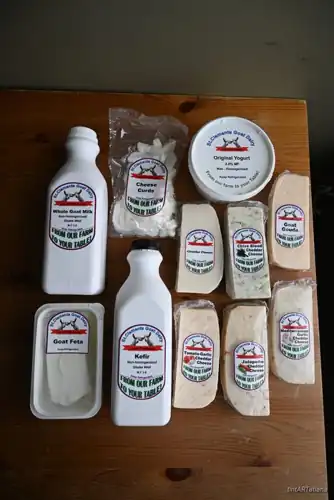
Some everyday foods deserve a little more attention. Milk is one of them.
It might be the splash in your morning coffee, the base of your favourite porridge, or the glass you pour alongside breakfast. Kefir might be something you already enjoy or a tangy, fermented drink you’ve been curious to try.
At Natura Corner, we believe these everyday choices can connect us to something bigger: local farms, thoughtful sourcing, and food with a story.
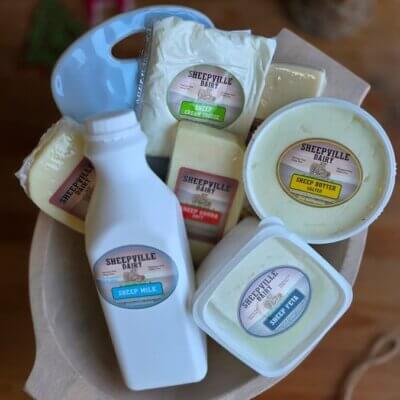
Our dairy selection includes whole cow milk, whole goat milk, sheep milk, goat kefir, and sheep kefir. Drawing on our relationships with local Mennonite and Amish farms, we bring together products with different flavours, textures, and uses, so you can find the dairy that feels right for your table. It’s the same small-batch, local-farm approach behind our grass-fed Amish beef and Amish produce.
Whether you love cream-top cow milk or want to explore the richness of sheep dairy, here’s a closer look at what makes each option special.
Why Choose Local Milk?
When you choose local milk, you’re choosing more than a drink. You’re choosing to pay attention to where your food comes from.
For us, that connection matters. We want customers to feel comfortable asking questions about the farms behind their groceries, how products are handled, and what makes one bottle different from another.
Our sheep kefir arrives fresh weekly from a Mennonite sheep farm, making it a lovely example of that farm-to-store connection. Across our dairy selection, we encourage customers to check the label for ingredients and storage instructions.
Local sourcing does not automatically make a product more nutritious than every supermarket alternative. It offers a closer connection to the producer and a chance to choose products with distinctive qualities, whether that is whole milk with a natural cream layer or a thick, traditionally fermented kefir.
Explore Natura Corner’s milk and dairy selection.
Whole Cow Milk: Creamy and Non-Homogenized

Whole cow milk has something comforting about it. Its creamy flavour works great in coffee, breakfast cereal, sauces, baking, and all the little kitchen routines that make a house feel like home.
Natura Corner’s whole cow milk is non-homogenized, which means its cream can naturally rise to the top.
What Does Non-Homogenized Mean?
Homogenization breaks milk’s fat droplets into smaller particles so they stay evenly mixed. Without that process, the cream separates and forms a layer at the top of the bottle. That is normal, not a sign that something is wrong. Simply shake well before enjoying.
It is also important to distinguish homogenization from pasteurization. They are different processes. Non-homogenized milk should not be described as raw milk just because it has a cream layer.
For customers who enjoy a cream-top texture, this is a satisfying way to bring a familiar staple back into focus.
Try whole cow milk in:
- Warm oatmeal or hot rice cereal.
- Homemade pancakes and baking (with farm brown eggs and Amish butter).
- Creamy soups and sauces.
- Coffee or tea.
- A simple glass alongside breakfast.
Whole Goat Milk: A Different Flavour for Everyday Meals
If you’ve only ever bought cow milk, whole goat milk offers another way to enjoy dairy.
Goat milk has its own flavour and character. Some people enjoy it straight from the glass; others prefer using it in porridge, baking, or smoothies.
Nutritionally, goat milk supplies protein and calcium, making it a useful dairy option for people who enjoy its taste. Its composition differs from cow milk, but that does not mean it is automatically the best choice for everyone.
Is Goat Milk Lactose-Free?
No. Goat milk still contains lactose.
Although some people report tolerating it differently from cow milk, it should not be marketed as a guaranteed solution for lactose intolerance. Goat milk is also not a dependable substitute for someone with a cow-milk allergy.
For a simple introduction, try it in a familiar recipe:
- Swap it into your usual oatmeal.
- Blend it into a banana smoothie.
- Use it in pancakes.
- Add it to a creamy vegetable soup.
Starting with something you already enjoy lets you notice the difference without changing your whole routine. If you like the flavour, our goat yogurt, goat feta and goat cheddar come from the same kind of small farms.
Sheep Milk: Rich, Creamy and Nutrient-Dense
Sheep milk is a lovely choice for anyone who enjoys dairy with a fuller, richer texture.
Its creaminess comes partly from its higher concentration of milk solids, including fat and protein. Compared with cow and goat milk, sheep milk generally contains more protein and higher levels of certain minerals, including calcium. Exact amounts vary with the animal’s breed, diet, season, and the finished product.
Rather than thinking of it as “better milk,” think of sheep milk as another distinctive option, with its own nutritional profile and place in the kitchen. We go deeper into the whole family of sheep dairy, from yogurt to Gouda, in Why Sheep Dairy Products Are a Delicious Addition to a Healthy Lifestyle.
What Nutritional Benefits Does Sheep Milk Offer?
Sheep milk provides protein and calcium:
- Protein helps maintain and repair body tissues.
- Calcium supports bone health and normal muscle function.
- Its richer fat content contributes to its creamy texture and makes it more energy-dense than many other milk options.
That richness makes sheep milk particularly appealing in porridge, creamy desserts, and recipes where texture matters. A small bowl of warm cereal made with sheep milk, topped with fruit or a sprinkle of cinnamon, is an easy way to enjoy it.
Sheep Kefir: A Thick, Tangy Fermented Favourite
If sheep milk brings richness, sheep kefir adds a delicious tang.
Natura Corner’s sheep kefir is a thick, flavourful, naturally fermented drink, arriving fresh weekly from a Mennonite sheep farm.
Kefir is made by fermenting milk with a community of microorganisms. The process changes the milk’s flavour and texture, creating a drink that is pleasantly tart and distinctly different from ordinary milk.
Enjoy sheep kefir:
- Chilled on its own.
- Blended with fruit.
- Poured over nuts and maple granola just before eating.
- Stirred into a cold dressing or dip.
- Served with a small drizzle of wildflower honey.
Its thicker texture makes it a particularly satisfying breakfast addition.
Goat Kefir: Smooth, Tangy and Easy to Explore
Goat kefir offers another take on fermented dairy: smooth, with a classic kefir texture and a gentle, natural tang.
It combines the nutritional qualities of goat milk with the changes that happen during fermentation. For customers exploring fermented foods, it can be a simple addition to an everyday routine.
Try a small serving first and see how you enjoy it. You might prefer it plain, blended with fruit, or alongside breakfast.
You don’t need to turn it into a complicated wellness ritual. Sometimes the most sustainable habit is simply finding a food you like and enjoying it regularly.
Kefir and Gut Health: What Is Worth Knowing?
Kefir is often discussed for its live cultures and potential digestive benefits.
Fermentation can produce microorganisms that may support the gut microbiome, the community of microbes living in your digestive system. However, the cultures present, their amounts, and their effects vary between products. Not every fermented drink has the same demonstrated probiotic benefits.
Fermentation also uses some of the milk’s lactose. This can make kefir easier for some people to tolerate, but it doesn’t guarantee the finished drink is lactose-free.
The most useful approach is a measured one: enjoy kefir as a fermented food, pay attention to how it suits you, and avoid expecting a single product to solve a digestive condition.
For the best product-specific information, check the label and ask about the cultures and processing method.
Natural Ingredients: Look Beyond the Front of the Bottle
Words such as “natural,” “local,” and “farm-fresh” can help tell a product’s story, but the ingredient label tells you what is actually inside.
When choosing milk or kefir, look for:
- The type of milk used.
- Added ingredients, including sweeteners or flavourings.
- Culture information on fermented products.
- Storage instructions.
- The best-before date and any directions after opening.
If non-GMO sourcing or the absence of preservatives is important to you, ask about the specific product rather than assuming those qualities apply to every item from a particular farming community.
At Natura Corner, we welcome those questions. Understanding your food is part of enjoying it. Our FAQs cover the basics, and you can always contact us for anything else.
Keep Your Local Dairy Fresh at Home
Freshly packed dairy deserves careful handling after it leaves the store.
Follow the storage instructions on each package, refrigerate promptly, and use clean utensils when serving. For non-homogenized cow milk, remember to shake the bottle before pouring so the cream mixes back through the milk.
Kefir naturally tastes tangy, but fermentation does not mean you should ignore its storage instructions or best-before date.
Buying an amount that fits your household’s routine is another simple way to enjoy dairy at its best and reduce waste. Our weekly delivery makes it easy to order just what you need, and our delivery policy explains order deadlines, fees, and how we store and transport your products.
Which Milk or Kefir Should You Try First?
There is no single perfect choice for everyone. Start with the taste, texture, and use that appeals to you most.
| Product | What makes it distinctive | A simple way to enjoy it |
|---|---|---|
| Whole cow milk | Familiar creaminess and a natural cream layer | Coffee, cereal, or baking |
| Whole goat milk | A different dairy flavour and character | Porridge or a smoothie |
| Sheep milk | Richer texture and a concentrated nutritional profile | Warm cereal or a creamy dessert |
| Sheep kefir | Thick texture and fermented tang | Fruit and granola |
| Goat kefir | Smooth, tangy fermented dairy | Chilled or blended with fruit |
These are all dairy products, not dairy-free alternatives. If you have an allergy, lactose intolerance, or a medical reason to limit certain nutrients, choose with guidance appropriate to your needs.
Bring a Little Farm-to-Table Goodness Home

Good food does not always need a grand introduction. Sometimes it starts with a bottle in the fridge and a small change to breakfast.
At Natura Corner, our milk and kefir selection invites you to explore those everyday differences: the cream that rises in non-homogenized cow milk, the distinct character of goat milk, the richness of sheep milk, and the tang of naturally fermented kefir.
Discover your next favourite in our milk and dairy selection, explore whole goat milk, or visit Natura Corner at 600 Bowes Rd, Unit 27, Concord, ON to ask what has arrived this week. Order online or call or text (647) 684-5577 for delivery across the GTA, including Toronto, North York, Thornhill, Vaughan and Richmond Hill.
Local food. Thoughtful choices. Everyday nourishment.
Frequently Asked Questions About Local Milk and Kefir
Is non-homogenized milk the same as raw milk?
No. Homogenization and pasteurization are different processes. Non-homogenized milk simply hasn’t had its fat droplets broken up, so the cream rises to the top; shake the bottle before pouring. A cream layer does not mean the milk is raw.
Is goat milk lactose-free?
No. Goat milk still contains lactose. Some people report tolerating it differently from cow milk, but it is not a guaranteed solution for lactose intolerance and is not a safe substitute for someone with a cow-milk allergy.
What is the difference between sheep milk and cow milk?
Sheep milk has a higher concentration of milk solids, so it is richer and creamier, and it generally contains more protein and more of certain minerals, including calcium, than cow or goat milk. Exact amounts vary with breed, diet and season.
Does kefir contain lactose?
Fermentation uses up some of the milk’s lactose, which is why some people find kefir easier to tolerate than milk, but it does not make the finished drink lactose-free. Check the label and listen to how it suits you.
Is kefir good for gut health?
Kefir is a naturally fermented drink with live cultures that may support the gut microbiome, but the cultures and their effects vary between products. Enjoy it as a fermented food rather than expecting a single product to solve a digestive condition.
How long does local milk and kefir keep?
Follow the best-before date and storage instructions on each bottle, refrigerate promptly, and use clean utensils. Kefir is naturally tangy, but it still has a shelf life, so buy an amount that fits your household’s weekly routine.
Do you deliver milk and kefir across the GTA?
Yes. Natura Corner offers flat-rate delivery across the Greater Toronto Area, including Toronto, North York, Thornhill, Vaughan, Richmond Hill, Aurora and Mississauga, with local pickup at 600 Bowes Rd, Unit 27, Concord. Place your order by Friday at 10 AM for the following week, or call or text (647) 684-5577.